How Much Do Dump Truck Owners Make?
Updated 2026-08-07 · Simple Lend Marketplace
Dump truck owner-operators usually bill per hour, per load, or per ton, and a truck-plus-driver hourly rate often lands in a broad low-to-mid hundreds-per-hour range depending on region and job. But gross revenue and take-home pay are very different: fuel, insurance, maintenance, tires, the truck payment, permits, and taxes come out first. Earnings vary widely and aren't guaranteed — utilization (days actually hauling), hauling type, and local demand drive profit more than the headline rate. An employee driver earns a wage; an owner keeps the revenue but carries every cost and risk.
How dump truck work gets billed: per hour, per load, or per ton
There's no single "dump truck rate." How you get paid depends on the job and the region. The three common structures are per hour (you're paid for the time the truck and driver are working, portal-to-portal on some jobs), per load (a flat rate for each trip hauling material from A to B), and per ton (you're paid on the weight of material moved, measured at a scale). Some jobs blend these — an hourly rate with a minimum, or a per-load rate that assumes a set haul distance.
As a rough frame, an hourly rate for a truck plus driver commonly falls in a broad low-to-mid hundreds-per-hour range in many markets, but that number moves a lot with truck size (tandem vs. tri-axle vs. quad), local demand, fuel prices, and whether the work is steady or one-off. Per-ton and per-load pricing tend to reward efficiency: short hauls, quick loading and dumping, and good scheduling mean more paid cycles in a day. Long waits at the pit or the site eat into that fast.
Which structure is better for you depends on the work. Hourly protects you when a site is slow, congested, or the haul is short and you'd otherwise burn time unpaid. Per-load and per-ton reward you when you can run tight, repeatable cycles. Most established owner-operators quote differently depending on the customer and the job rather than posting one flat rate, so treat any single figure you see online as a starting point for your own market, not a promise.
Gross revenue vs. net take-home: what you actually keep
The biggest mistake in sizing up dump-truck income is confusing gross with net. A truck can gross an impressive-sounding daily or annual number and still leave the owner with far less once the real costs come out. Gross is what you invoice; net is what lands in your pocket after everything the truck needs to keep running is paid for.
The costs that come out of gross include fuel (often the single largest variable expense), insurance, routine maintenance and repairs, tires (a real recurring cost on heavy trucks), the truck payment if you financed it, and permits and taxes — including the federal Heavy Highway Vehicle Use Tax filed on IRS Form 2290. Then there's downtime: any day the truck is in the shop, waiting on a job, or parked for weather is a day it earns nothing while several of those fixed costs keep accruing. Our companion guide on dump truck operating costs and fuel economy breaks these line items down in detail.
The practical takeaway: judge a truck by the margin it can realistically clear in your market, not by its top-line gross. Two owners running identical trucks can end up with very different take-home pay based on how well they control fuel, avoid unplanned repairs, and keep the truck busy. Building a simple monthly budget — expected revenue minus every one of those costs — before you buy is the single most useful thing you can do to see whether owning pencils out.
What drives profit — and how an owner's pay differs from a driver's wage
Profit in dump-truck work is driven mostly by utilization: the number of days and hours the truck is actually hauling and billing. A truck that runs steadily five or six days a week clears its fixed costs and starts building margin; a truck sitting idle half the month may not cover its own payment. That's why demand and season matter so much — construction, aggregate, and demolition work often slows in winter or in soft local markets, and a strong summer can carry a weaker stretch.
The type of hauling and your cost discipline do the rest. Steady aggregate or construction contracts offer predictable cycles; demolition and one-off jobs can pay well but come with more downtime and hunting for the next load. On the cost side, the truck payment is the fixed expense you most control at purchase — buying more truck than the work supports is a common way owners get squeezed, so keeping that payment reasonable relative to expected revenue protects your margin in slow months.
It's also worth separating the two ways to earn here. An employee dump truck driver earns a wage or salary and takes home a fairly predictable paycheck without carrying the truck's costs or risk. An owner-operator keeps the revenue the truck generates but pays for everything — fuel, insurance, repairs, the payment, taxes — and absorbs the slow weeks. The owner has more upside when the truck stays busy and more exposure when it doesn't. If you're weighing that trade-off, our guide on how to start a dump truck business covers the setup side, and you can browse and finance trucks through Simple Lend Marketplace, with nationwide delivery, to run your own numbers on a specific truck.
Frequently asked questions
How much do dump truck owners make a year?
It varies widely and isn't guaranteed. Annual take-home depends on how many days the truck actually hauls, your billing structure, local demand, and how well you control fuel, repairs, and the truck payment. Two owners with identical trucks can net very different amounts. Judge a truck by the realistic margin it clears in your market, not a headline gross figure.
How much can a dump truck make in a day or per load?
Daily and per-load pay swing with haul distance, cycle time, truck size, and how much waiting is involved. Short, repeatable hauls with quick loading and dumping fit more paid cycles into a day; long waits at the pit or site cut into it. Any single per-day number online is a starting point, not a promise — build your own estimate from local rates and cycle times.
How much do dump trucks charge per ton?
Per-ton pricing depends on the material, haul distance, and local market, and it's measured at a scale. It rewards efficiency: shorter hauls and faster cycles mean more tons moved per day. Many owners quote per-ton, per-load, or hourly depending on the job rather than one flat rate, so ask around your area for current rates on the material you'd haul.
How much does a dump truck cost per hour to hire?
An hourly rate for a truck plus driver often lands in a broad low-to-mid hundreds-per-hour range in many markets, but it moves a lot with truck size, region, fuel prices, and demand. Hourly billing protects the owner on short or congested jobs where time would otherwise go unpaid. Treat any figure as illustrative and check current rates in your own area.
Are dump trucks profitable? Can you make money owning one?
They can be, but profit is driven by utilization — days actually hauling — and cost control, not the headline rate. A busy truck clears its fixed costs and builds margin; an idle one may not cover its payment. Fuel, insurance, tires, repairs, permits, and taxes all come out of gross first. Run a realistic monthly budget before buying to see whether owning pencils out.
How much do dump truck drivers make versus owner-operators?
An employee driver earns a wage or salary and takes home a fairly predictable paycheck without carrying the truck's costs or risk. An owner-operator keeps the revenue the truck generates but pays for fuel, insurance, repairs, the truck payment, and taxes, and absorbs slow weeks. The owner has more upside when the truck stays busy — and more exposure when it doesn't.
Dump trucks for sale now
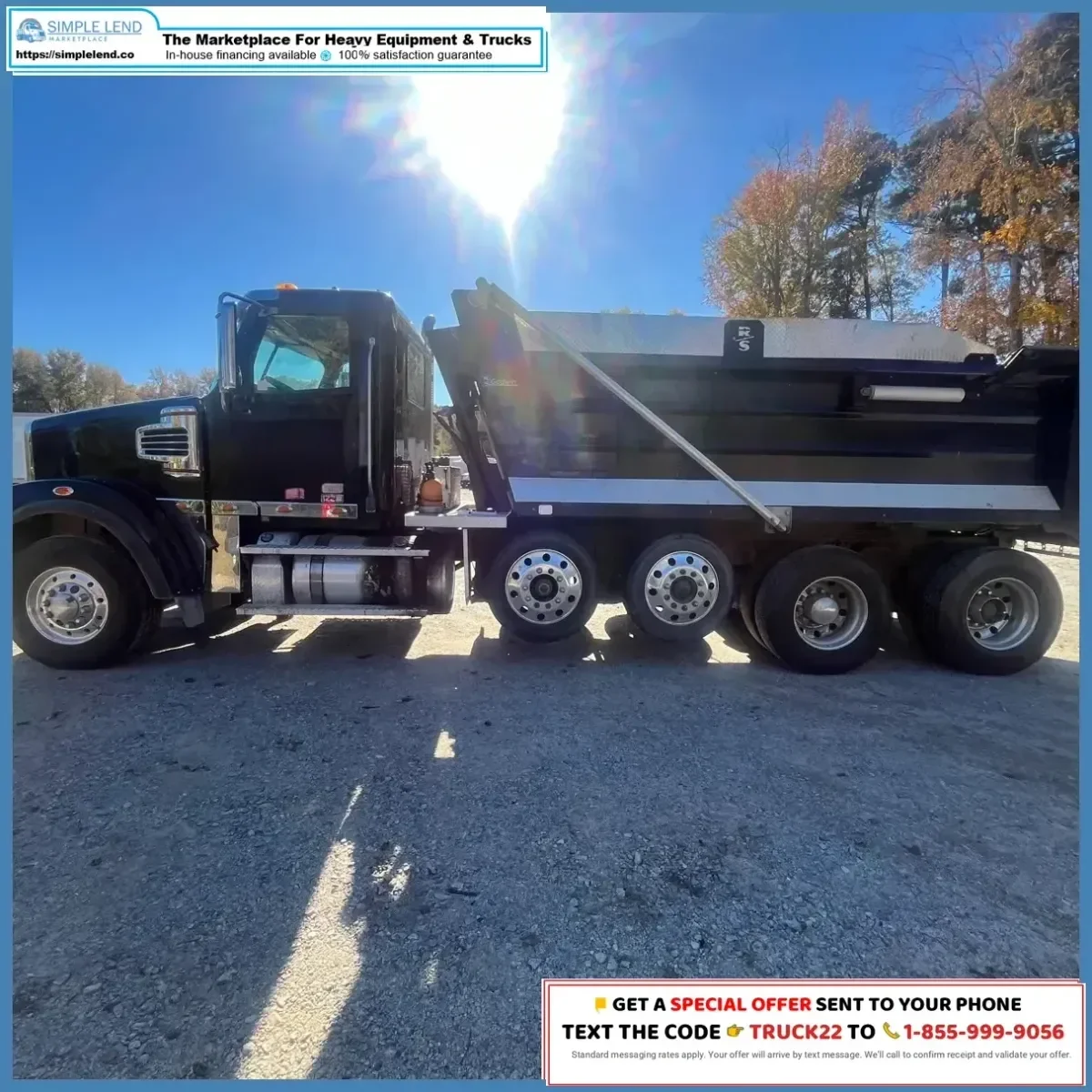 2023 Freightliner Coronado 122 SD $180,000
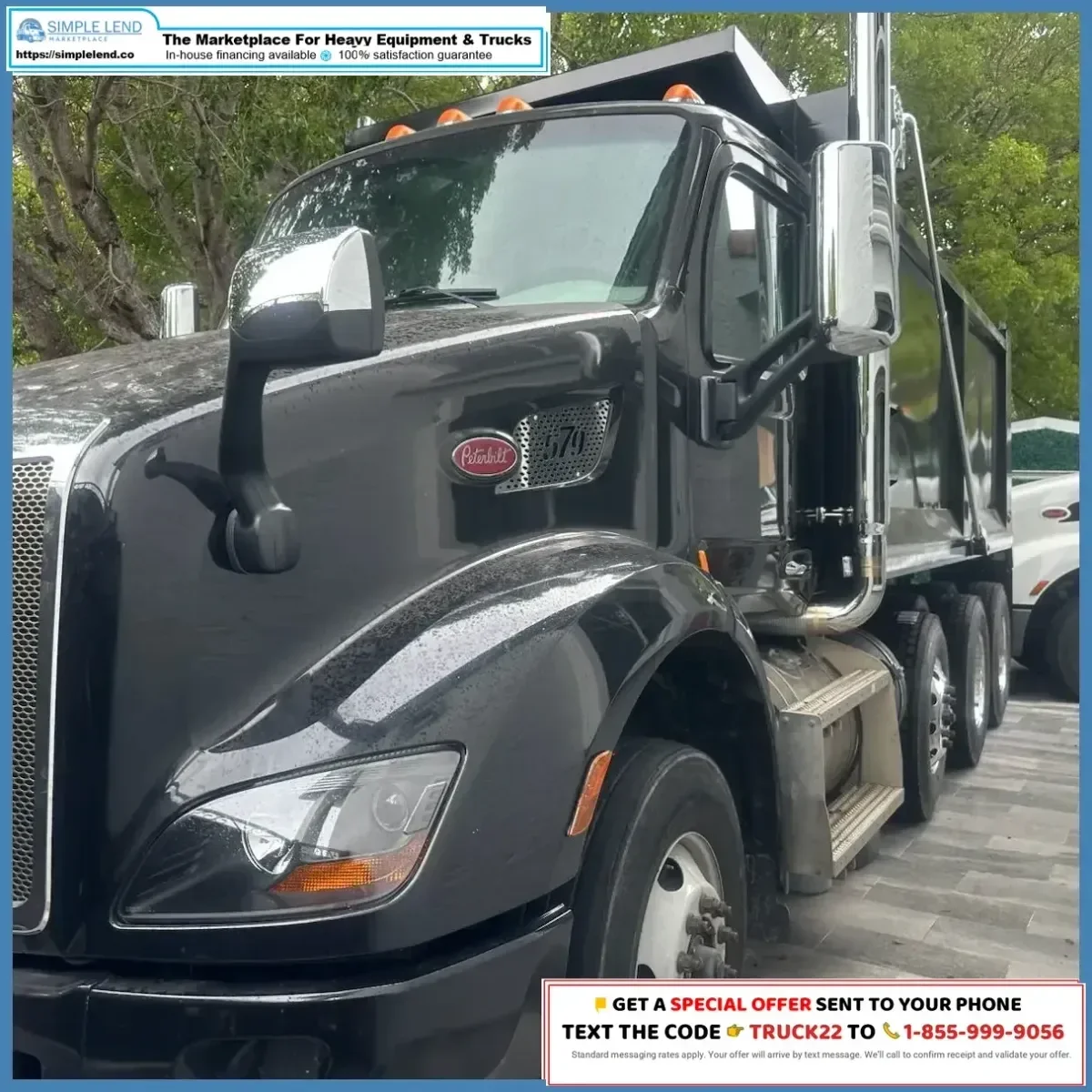 2022 Peterbilt 579 $145,000
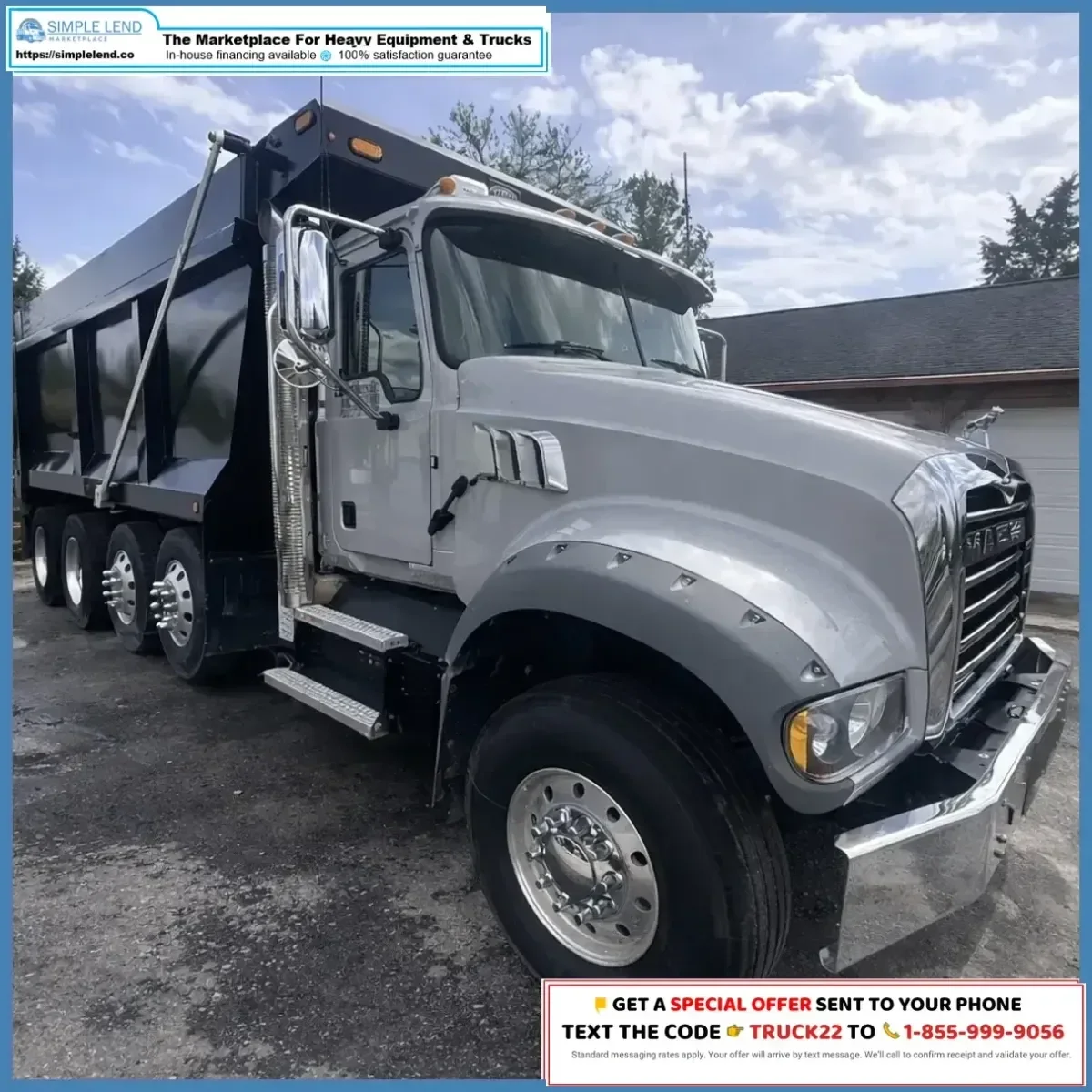 2022 Mack Granite 64FR Quad Axle Dump Truck $168,000
 2022 Western Star Other $170,000
Current asking-price benchmark · Browse all dump trucks for sale